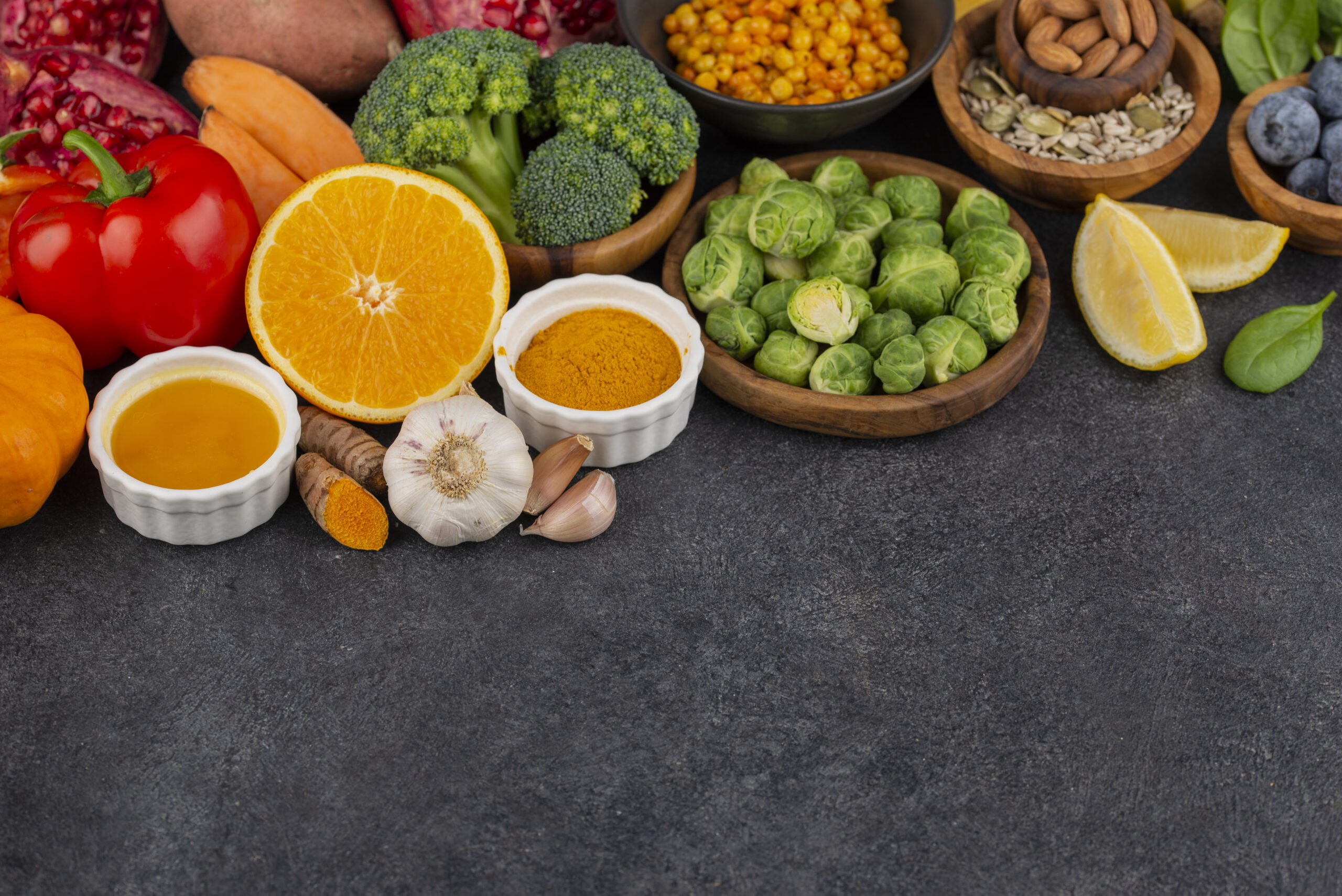

At first, I struggled with frequent colds last winter, and so I realized I needed to strengthen my immunity with vitamin C-rich foods. However, despite taking synthetic vitamin C tablets, my immune system still seemed to falter until I discovered that a single acerola cherry contains more vitamin C than 12 oranges combined.. Exploring these natural foods high in vitamin C transformed my approach to immunity and overall health.
Your immune system works around the clock to protect you from harmful pathogens, but it needs the right fuel to function optimally. Vitamin C, a water-soluble antioxidant, plays a crucial role in supporting immune function by stimulating white blood cell production and protecting cells from oxidative damage. Unlike many nutrients, your body cannot produce or store vitamin C, making daily intake essential for maintaining robust immunity.
The current Daily Value (DV) for vitamin C is 90 mg for men and 75 mg for women, but many health experts suggest higher amounts for optimal immune function. The beauty lies in obtaining this vital nutrient from whole food sources rather than synthetic supplements, as natural foods provide additional beneficial compounds that work synergistically with vitamin C.
Why Vitamin C-Rich Foods Are Your Immune System’s Best Friend
Vitamin C functions as a powerful antioxidant that neutralizes harmful free radicals throughout your body. When your immune system encounters threats like viruses or bacteria, it produces white blood cells to fight off these invaders. Vitamin C enhances this process by:
- Stimulating white blood cell production and improving their effectiveness
- Supporting collagen synthesis, which strengthens your body’s natural barriers
- Acting as an antioxidant to protect immune cells from damage
- Enhancing iron absorption, which is crucial for oxygen transport
- Supporting neurotransmitter production that affects mood and stress response
Research shows that adequate vitamin C levels can reduce the duration and severity of common cold symptoms. More importantly, maintaining optimal vitamin C levels helps your immune system respond more effectively to various threats before they become full-blown illnesses.
The 20 Most Powerful Vitamin C Foods for Immunity
Acerola Cherries – The Vitamin C Superfood Champion
Vitamin C Content: 1,650 mg per half cup (49g) – that’s 1,833% of your daily needs!
acerola cherries top the list as nature’s most concentrated source of vitamin C. These small, tart fruits contain more vitamin C than almost any other food source. Just one cup of acerola juice provides 3,000 mg of vitamin C, which is 24 times more than orange juice.
Kakadu Plums – The Highest Natural Source of Vitamin C
Vitamin C Content: 2,300-5,300 mg per 100g
Native to Australia, Kakadu plums contain up to 100 times more vitamin C than oranges. Just one small plum (15g) provides 350-480 mg of vitamin C, along with potassium, vitamin E, and the antioxidant lutein for additional health benefits.
Guavas – Tropical Vitamin C Fruit for Immune Support
Vitamin C Content: 125 mg per single fruit (138% DV)
Guavas offer an impressive vitamin C punch while being readily available in most grocery stores. They’re also rich in lycopene, an antioxidant that may have anticancer properties, making them a double-threat for health support.
Sweet Yellow Peppers – Colorful Vegetables Rich in Vitamin C
Vitamin C Content: 342 mg per large pepper (380% DV)
Yellow bell peppers contain more than twice the vitamin C of green peppers. The vibrant color indicates higher nutrient density, and they’re versatile enough to add to salads, stir-fries, or eat raw as snacks.
Chili Peppers – Spicy Foods That Provide Vitamin C Benefits
Vitamin C Content: 109 mg per green chili pepper (121% DV)
Beyond their heat, chili peppers pack serious vitamin C power. The capsaicin that makes them spicy also has anti-inflammatory properties, creating a synergistic effect for immune support.
Black Currants – Antioxidant-Packed Vitamin C Berries
Vitamin C Content: 102 mg per half cup (113% DV)
Black currants get their deep color from anthocyanins, powerful antioxidants that work alongside vitamin C to reduce oxidative stress and support immune function.
Kiwi Fruit – A Vitamin C Superfruit for Immunity
Vitamin C Content: 56 mg per medium fruit (62% DV)
One kiwi delivers more vitamin C than two oranges. Recent research suggests kiwis may help reduce blood clot formation and support cardiovascular health alongside immune benefits.
8. Strawberries – Sweet Fruits Rich in Vitamin C
Vitamin C Content: 97 mg per cup (108% DV)
Strawberries provide complete daily vitamin C needs in just one cup. They also contain manganese, folate, and flavonoids that support brain function and cardiovascular health.
Broccoli – Cruciferous Vegetable Loaded with Vitamin C
Vitamin C Content: 81 mg per cup (90% DV)
Broccoli contains more vitamin C than oranges and provides additional nutrients like fiber, vitamin K, and iron. Light steaming preserves the most vitamin C while making other nutrients more bioavailable.
Brussels Sprouts – Small Vegetables with Big Vitamin C Power
Vitamin C Content: 48 mg per half cup cooked (53% DV)
These cruciferous vegetables are vitamin C powerhouses that also support bone health through their vitamin K content. The combination of vitamins C and K is particularly beneficial for collagen formation.
Papayas – Tropical Fruit Packed with Vitamin C and Enzymes
Vitamin C Content: 88 mg per cup (98% DV)
Papayas provide nearly complete daily vitamin C requirements and contain digestive enzymes that may help reduce inflammation and support recovery from illness.
Pineapple – Vitamin C Fruit with Anti-Inflammatory Properties
Vitamin C Content: 78 mg per cup (87% DV)
Pineapple contains bromelain, a digestive enzyme with anti-inflammatory properties that works synergistically with vitamin C to support immune function and reduce inflammation.
Oranges – Classic Citrus Fruits High in Vitamin C
Vitamin C Content: 83 mg per medium orange (92% DV)
While not the highest source, oranges remain an excellent, accessible option for vitamin C. They’re widely available, affordable, and provide additional nutrients like folate and potassium.
Lemons – Cleansing Citrus Fruits Rich in Vitamin C
Vitamin C Content: 45 mg per whole lemon (50% DV)
Lemons are perfect for adding to water, tea, or meals. The vitamin C in lemon juice acts as a natural preservative and antioxidant, preventing other foods from oxidizing.
Red Bell Peppers – Vitamin C Vegetable for Immune Defense
Vitamin C Content: 190 mg per cup (211% DV)
Red bell peppers provide more than double the daily vitamin C requirement. They’re also rich in beta-carotene, which converts to vitamin A for additional immune support.
Kale – Leafy Green Superfood Rich in Vitamin C
Vitamin C Content: 93 mg per 100g raw (103% DV)
Kale combines vitamin C with vitamin K, lutein, and zeaxanthin. While cooking reduces vitamin C content, pressure cooking can increase the bioavailability of other beneficial compounds.
Cantaloupe – Hydrating Melon with Vitamin C Benefits
Vitamin C Content: 65 mg per cup (72% DV)
Cantaloupe provides vitamin C alongside vitamin A and high water content, supporting both immune function and hydration.
Rose Hips – Herbal Source of Vitamin C for Immunity
Vitamin C Content: 426 mg per 100g (473% DV)
Rose hips, the fruit of rose plants, are incredibly rich in vitamin C and can be consumed as tea, jam, or supplements. They’ve been used traditionally for immune support for centuries.
Mustard Spinach – Leafy Green Packed with Vitamin C Nutrients
Vitamin C Content: 195 mg per cup raw (217% DV)
This lesser-known leafy green provides more than double the daily vitamin C requirement, along with vitamin A, potassium, calcium, and fiber.
Parsley – Fresh Herb Rich in Vitamin C Antioxidants
Vitamin C Content: 10 mg per 2 tablespoons (11% DV)
While used in small amounts, parsley is surprisingly rich in vitamin C and can easily be added to salads, soups, and smoothies for an extra immune boost.
Recommended Daily Vitamin C Intake for Men, Women, and Children
The recommended daily allowance (RDA) for vitamin C is 90 mg for men and 75 mg for women, but these amounts represent the minimum needed to prevent deficiency diseases like scurvy. For optimal immune function, many nutrition experts suggest higher amounts:
- General health maintenance: 200-500 mg daily
- Active individuals: 500-1000 mg daily
- During illness or stress: 1000-2000 mg daily
- Smokers: Add an extra 35 mg to baseline needs
Your body can only absorb about 200-250 mg of vitamin C at one time, so spreading intake throughout the day maximizes absorption and utilization.
The Science Behind Vitamin C and Immune Function
Research consistently demonstrates vitamin C’s role in immune support:
- White blood cell enhancement: Vitamin C stimulates the production and function of lymphocytes and phagocytes, key immune system cells
- Antioxidant protection: It protects immune cells from damage caused by free radicals produced during immune responses
- Barrier function: Supports the integrity of skin and mucous membranes, your body’s first line of defense
- Wound healing: Essential for collagen synthesis, which is crucial for tissue repair and recovery
Studies show that people with adequate vitamin C levels experience 23% shorter cold duration and reduced symptom severity compared to those with insufficient levels.
Food Sources vs. Supplements: What Works Better?
While both food sources and supplements can provide vitamin C, whole foods offer distinct advantages:
Benefits of Food Sources:
- Better absorption due to accompanying nutrients
- Additional antioxidants and phytonutrients
- Fiber for digestive health
- Lower risk of excessive intake
- More sustainable and cost-effective
When Supplements Might Help:
- During acute illness
- For people with limited access to fresh produce
- Those with digestive issues affecting nutrient absorption
- Individuals with significantly increased needs
Cooking Methods That Preserve Vitamin C
Vitamin C is water-soluble and heat-sensitive, making proper preparation crucial for maximizing intake:
Best Preservation Methods:
- Raw consumption: Maximum vitamin C retention
- Light steaming: 2-3 minutes preserves most nutrients
- Quick stir-frying: High heat for short periods
- Blanching: Brief boiling followed by an ice bath
- Microwave cooking: Minimal water and time
Methods to Avoid:
- Extended boiling: Can destroy up to 50% of vitamin C
- Long-term storage: Vitamin C degrades over time
- Excessive chopping: Increases surface area for nutrient loss
- Cooking in large amounts of water: Nutrients leach into the cooking liquid
Signs You’re Not Getting Enough Vitamin C
While severe vitamin C deficiency (scurvy) is rare in developed countries, subclinical deficiency is more common than many realize. Watch for these signs:
- Frequent infections or slow recovery from illness
- Slow wound healing or easy bruising
- Fatigue and weakness without an obvious cause
- Joint pain or muscle aches
- Dry, rough skin or easy bruising
- Bleeding gums or dental problems
- Iron deficiency anemia (vitamin C enhances iron absorption)
If you experience multiple symptoms, consider increasing your intake of vitamin C-rich foods and consult with a healthcare provider.
Creative Ways to Boost Your Daily Vitamin C Intake
Morning Boosters:
- Add berries to your breakfast cereal or yogurt
- Start your day with fresh lemon water
- Include bell peppers in your morning omelet
- Blend kiwi and strawberries into smoothies
Lunch and Dinner Ideas:
- Create colorful salads with various peppers and citrus segments
- Add broccoli to stir-fries and pasta dishes
- Use fresh herbs like parsley as garnishes
- Include tomatoes in sandwiches and wraps
Snack Solutions:
- Keep cut bell peppers and guacamole on hand
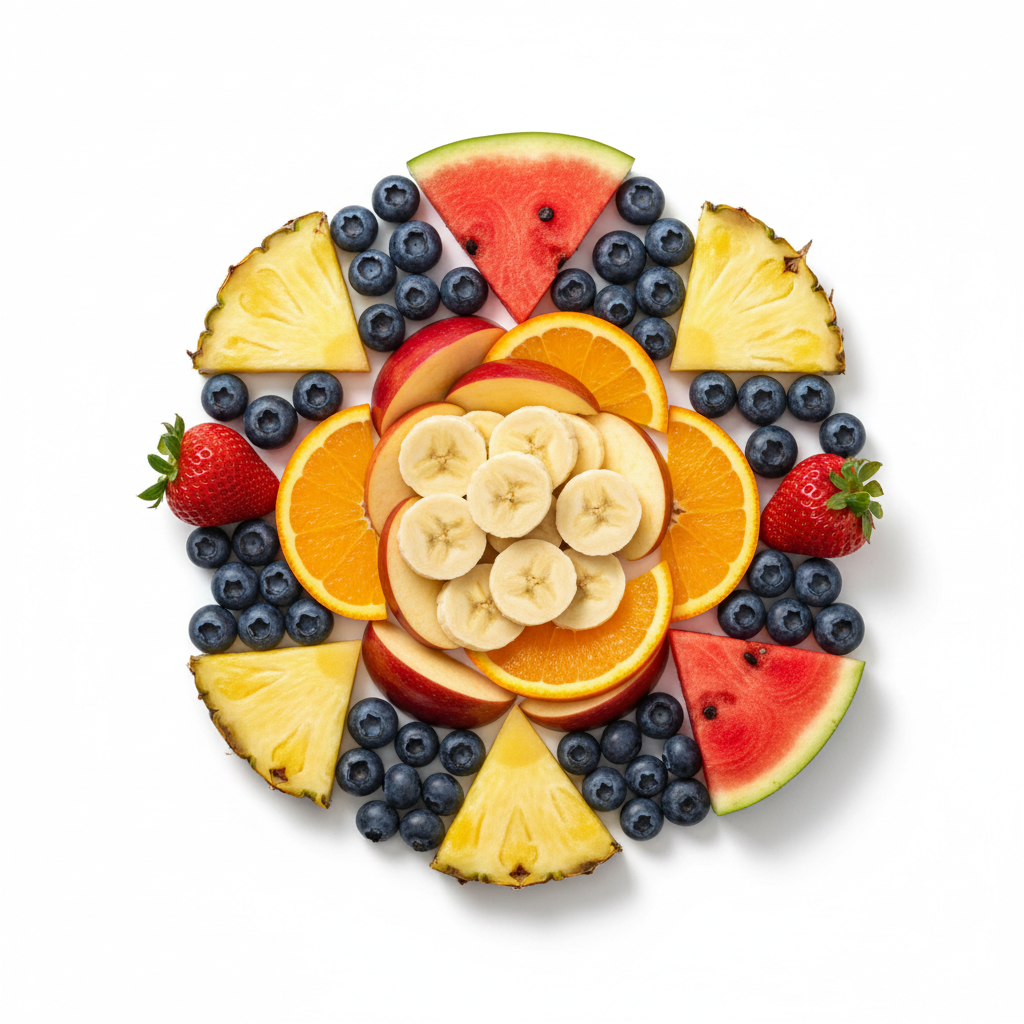
- Prepare fruit salads with high vitamin C fruits
- Make homemade trail mix with dried fruits
- Prepare vegetable sticks with
Special Considerations for Different Groups
For Busy Professionals and Parents:
- Frozen options: Frozen berries and vegetables retain most vitamin C
- Batch preparation: Wash and cut vegetables on weekends
- Convenient choices: Keep oranges, apples, and pre-cut vegetables readily available
- Hidden nutrition: Add pureed vegetables to sauces and soups
For Fitness Enthusiasts:
- Pre-workout: Citrus fruits provide quick energy and vitamin C
- Post-workout: Berries and peppers support recovery
- Hydration: Add lemon or lime to water for electrolytes and vitamin C
- Muscle support: Combine vitamin C foods with protein sources
For Weight Loss Seekers:
- Low-calorie options: Most vitamin C foods are naturally low in calories
- Satiety support: High-fiber, vitamin C foods help you feel full
- Metabolism boost: Some studies suggest vitamin C may support fat oxidation
- Portion control: Use colorful vegetables to fill half your plate
For Specialized Diets:
- Keto dieters: Focus on low-carb options like bell peppers and leafy greens
- Vegans: Ensure adequate iron absorption by pairing vitamin C with iron-rich plants
- Diabetics: Choose lower-sugar options like vegetables over high-sugar fruits
- PCOS management: Anti-inflammatory vitamin C foods may help manage symptoms
Common Mistakes That Reduce Vitamin C Benefits
Storage Mistakes:
- Extended refrigeration: Use fresh produce within a week for maximum vitamin C
- Light exposure: Store vitamin C-rich foods in dark places
- Air exposure: Keep cut fruits and vegetables covered
- Temperature fluctuations: Maintain consistent cool temperatures
Preparation Errors:
- Over-washing: A Brief rinse is sufficient; excessive washing removes nutrients
- Early preparation: Cut fruits and vegetables just before eating
- Wrong cooking methods: Avoid boiling vegetables in large amounts of water
- Combining with iron supplements: Take iron supplements separately from high-vitamin C meals
Consumption Patterns:
- All-at-once dosing: Spread vitamin C intake throughout the day
- Ignoring absorption enhancers: Pair with healthy fats for better absorption
- Smoking and alcohol: Both significantly deplete vitamin C levels
- Stress impact: Chronic stress increases vitamin C needs
Frequently Asked Questions
Can I get too much vitamin C from food?
It’s virtually impossible to consume toxic levels of vitamin C from food sources alone. Your body regulates absorption and excretes excess amounts through urine. The tolerable upper limit is 2,000 mg daily, primarily a concern with supplements.
How long does it take for vitamin C foods to improve immunity?
While vitamin C works immediately as an antioxidant, building optimal immune function through dietary changes typically takes 2-4 weeks of consistent intake. During acute illness, benefits may be noticed within 24-48 hours.
Are frozen fruits and vegetables still good sources of vitamin C?
Yes! Frozen produce is often picked at peak ripeness and flash-frozen, preserving most vitamin C content. In some cases, frozen options may contain more vitamin C than fresh produce that has been stored for extended periods.
Should children eat different vitamin C for immunity?
Children can eat the same vitamin C-rich foods as adults, but in age-appropriate portions. Focus on naturally sweet options like berries, oranges, and bell peppers. The RDA for children varies by age, ranging from 15-75 mg daily.
Can vitamin C foods help with seasonal allergies?
Some research suggests vitamin C’s antihistamine properties may help reduce allergy symptoms. Foods rich in vitamin C and other antioxidants may help stabilize mast cells and reduce inflammatory responses.
What’s the best time to eat vitamin C-rich foods?
Vitamin C is best absorbed on an empty stomach, but it can cause digestive upset in sensitive individuals. For most people, spreading intake throughout the day with meals optimizes absorption and minimizes side effects.
Building Your Vitamin C-Rich Meal Plan
Sample Daily Menu (providing 500 mg+ vitamin C):
Breakfast:
- 1 cup strawberries (97mg) with Greek yogurt
- Fresh lemon water (22mg)
Lunch:
- Large salad with 1 cup red bell peppers (190mg)
- Side of steamed broccoli (81mg)
Dinner:
- Stir-fry with yellow peppers (171mg)
- Fresh parsley garnish (5mg)
Snacks:
- 1 medium kiwi (56mg)
- 1/4 cup guava (31mg)
Total: 653mg vitamin C
Weekly Shopping List for Vitamin C Foods:
- Fruits: Strawberries, kiwis, oranges, guavas, pineapple
- Vegetables: Bell peppers (all colors), broccoli, Brussels sprouts, kale
- Herbs: Fresh parsley, cilantro
- Frozen options: Mixed berries, frozen broccoli
The Bottom Line: Your Path to Stronger Immunity
Building a robust immune system doesn’t require expensive supplements or complicated protocols. Nature has provided us with an abundance of delicious, vitamin C-rich foods that not only support immune function but also contribute to overall health and vitality.
The key lies in consistency and variety. By incorporating multiple vitamin C sources into your daily routine, you create a solid foundation for immune health while enjoying the additional benefits these nutrient-dense foods provide.
Remember, the most powerful approach combines adequate vitamin C intake with other healthy lifestyle practices: regular exercise, sufficient sleep, stress management, and a balanced diet rich in various nutrients. Your immune system functions as a complex network, and vitamin C is just one crucial piece of the puzzle.
Start small by adding one new vitamin C-rich food to your diet each week. Whether it’s swapping your afternoon snack for fresh strawberries or adding colorful bell peppers to your lunch salad, every small change contributes to your long-term health.
Begin your journey to stronger immunity with your next meal.. Choose foods that nourish your body, support your immune system, and taste great too. The investment you make in your health today will benefit your future self.
Take action now: Pick three vitamin C-rich foods from this list and add them to your shopping list this week. By adding three vitamin C-rich foods from this list to your shopping, you can support your immune system deliciously..
Have you tried incorporating more vitamin C-rich foods into your diet? Share your favorite combinations and creative recipes in the comments below. Sharing your favorite combinations and creative recipes might inspire someone else on their path to better health.