

Hydrating Foods for Overall Health: The Ultimate Guide
Last updated: May 20, 2025

The Surprising Way I Discovered the Power of Hydration
Last summer, during a scorching heat wave, I found myself feeling constantly tired and dealing with persistent headaches. Despite drinking what I thought was enough water, something wasn’t right. It wasn’t until I started incorporating more water-rich foods into my daily meals that I noticed a dramatic difference in my energy levels and overall well-being. The transformation was so significant that it sparked my curiosity about how hydrating foods could support overall health.
Many of us struggle to drink enough water throughout the day. Between busy schedules and simply forgetting, staying properly hydrated can be challenging. The good news? You don’t need to rely solely on drinking water to meet your hydration needs. Nature has provided us with delicious, water-rich foods that can significantly contribute to our daily fluid intake while delivering essential nutrients.
Why Proper Hydration Matters for Your Health
Before diving into specific foods, let’s understand why staying hydrated is so crucial for your body:
- Supports digestion and nutrient absorption – Water is essential for breaking down food and helping nutrients enter your bloodstream
- Enables proper organ functioning – Every system in your body depends on adequate hydration to work efficiently
- Regulates body temperature – Especially important during hot weather or exercise
- Lubricates joints – Reduces friction and pain during movement
- Improves mental health – Proper hydration positively affects mood and cognition through efficient neurotransmitter function
- Helps deliver nutrients throughout the body – Water is the highway system for transporting vital substances to cells
- Maintains healthy skin – Hydration supports skin elasticity and appearance
The National Academy of Medicine recommends approximately 9 cups (72 ounces) of water daily for women and 12.5 cups (100 ounces) for men. While individual needs vary based on activity level, climate, and health conditions, these guidelines provide a helpful starting point.
How Food Contributes to Your Hydration Status
Did you know that food typically contributes about 20% of your daily water intake? Some foods contain so much water that they can significantly boost your hydration status. Foods with at least 85% water content are considered the most hydrating and can help replenish fluids alongside the water you drink.
Water from food is particularly valuable because it’s absorbed more slowly than plain water. When water is bound with fiber and nutrients in foods, it stays in your body longer, providing sustained hydration. Plus, these foods deliver essential vitamins, minerals, and antioxidants along with their water content.
Top 15 Most Hydrating Foods for Better Health
Vegetables with High Water Content
1. Cucumber (96% Water)
Benefits: Cucumbers reign supreme when it comes to hydration. One cup provides about 3.5 ounces of water along with vitamin K and potassium.
How to enjoy: Add to salads, create refreshing cucumber water, or enjoy as a crunchy snack with hummus.
2. Celery (95% Water)
Benefits: Beyond hydration, celery provides fiber, vitamin K, and potassium that support heart and bone health.
How to enjoy: Enjoy raw with nut butter, add to soups, or use as a crunchy addition to salads.
3. Zucchini (94% Water)
Benefits: With only 20 calories per cup and rich in vitamin C, zucchini is perfect for weight management while staying hydrated.
How to enjoy: Create zucchini noodles as a pasta alternative, grill as a side dish, or add to stir-fries and soups.
4. Tomatoes (94% Water)
Benefits: Tomatoes provide lycopene, an antioxidant linked to reduced heart disease risk and prostate cancer prevention.
How to enjoy: Eat fresh in salads, add to sandwiches, or cook into sauces and soups.
5. Romaine Lettuce (95% Water)
Benefits: This leafy green provides vitamins A and C plus folate while being extremely hydrating.
How to enjoy: Use as a base for salads, as a wrap alternative, or add to sandwiches.
6. Bell Peppers (92% Water)
Benefits: Incredibly rich in vitamin C (317% of your daily needs in one cup!) while being low in calories.
How to enjoy: Eat raw with dips, add to stir-fries, or stuff and bake for a nutritious meal.
7. Cauliflower (92% Water)
Benefits: Contains over 15 different vitamins and minerals, including choline, which supports brain health.
How to enjoy: Use as a rice substitute, roast as a side dish, or add to smoothies for extra nutrients.
Fruits with High Water Content
8. Watermelon (92% Water)
Benefits: The name says it all! One cup provides 5 ounces of water plus lycopene and vitamins A and C.
How to enjoy: Eat fresh, add to fruit salads, blend into smoothies, or grill for a unique flavor.
9. Strawberries (91% Water)
Benefits: Rich in fiber, vitamin C, and antioxidants that reduce inflammation and support heart health.
How to enjoy: Enjoy fresh, add to yogurt or oatmeal, or blend into smoothies.
10. Cantaloupe (90% Water)
Benefits: Provides 120% of your daily vitamin A needs in just one cup, supporting immune function.
How to enjoy: Eat plain, add to breakfast bowls, or include in fruit salads.
11. Peaches (89% Water)
Benefits: The skin contains beneficial antioxidants like chlorogenic acid while being low in calories.
How to enjoy: Eat fresh, add to cottage cheese or yogurt, or include in smoothies.
12. Oranges (88% Water)
Benefits: Rich in vitamin C and citric acid, which may help prevent kidney stones.
How to enjoy: Eat fresh, add segments to salads, or include in smoothies.
13. Grapefruit (88% Water)
Benefits: Contains fiber, antioxidants, and vitamins that may support weight loss and heart health.
How to enjoy: Eat half a grapefruit at breakfast, add to salads, or include in fresh juices.
Dairy Products with High Water Content
14. Plain Yogurt (88% Water)
Benefits: Provides protein, calcium, and probiotics while being very hydrating.
How to enjoy: Eat plain, add fresh fruit, use as a base for smoothies, or as a sour cream substitute.
15. Cottage Cheese (80% Water)
Benefits: High in protein (25g per cup) and essential nutrients like phosphorus, calcium, and B vitamins.
How to enjoy: Mix with fruit, use as a spread, add to salads, or include in breakfast bowls.
Foods That Can Dehydrate You
While many foods contribute positively to your hydration status, others may have the opposite effect:
- High-sodium foods: Cured meats, deli meats, salty snacks, and processed foods
- Sugary drinks: Sodas can cause increased urination and fluid loss
- Alcohol: Acts as a diuretic, causing increased fluid loss
- Caffeine: Coffee and some teas have mild diuretic effects
- Excessive protein: Very high protein intake can stress the kidneys and affect water processing
These foods don’t need to be eliminated, but should be balanced with plenty of hydrating options and water.
Practical Ways to Increase Your Daily Hydration
1. Start Your Day Right
Begin each morning by drinking a glass of water within the first five minutes of waking up. This kickstarts your hydration for the day.
2. Create Hydrating Meals
Aim to fill half your plate with water-rich fruits and vegetables at each meal. Try these ideas:
- Breakfast: Smoothie made with hydrating fruits and plain yogurt
- Lunch: Large salad with leafy greens, cucumber, tomato, and bell peppers
- Dinner: Start with vegetable soup, then enjoy a main dish with steamed or roasted vegetables
- Snacks: Fresh fruit, raw vegetables with dip, or yogurt
3. Make Water More Appealing
If you find plain water boring, try:
- Adding fresh herbs like mint or basil
- Including cucumber slices or fruit for a subtle flavor
- Trying different temperatures (cold, room temperature, or warm)
- Using a water bottle with measurements to track intake
4. Create Hydrating Snack Plates
Combine several hydrating foods for nutrient-dense snacks:
- Cucumber, bell pepper, and celery sticks with hummus
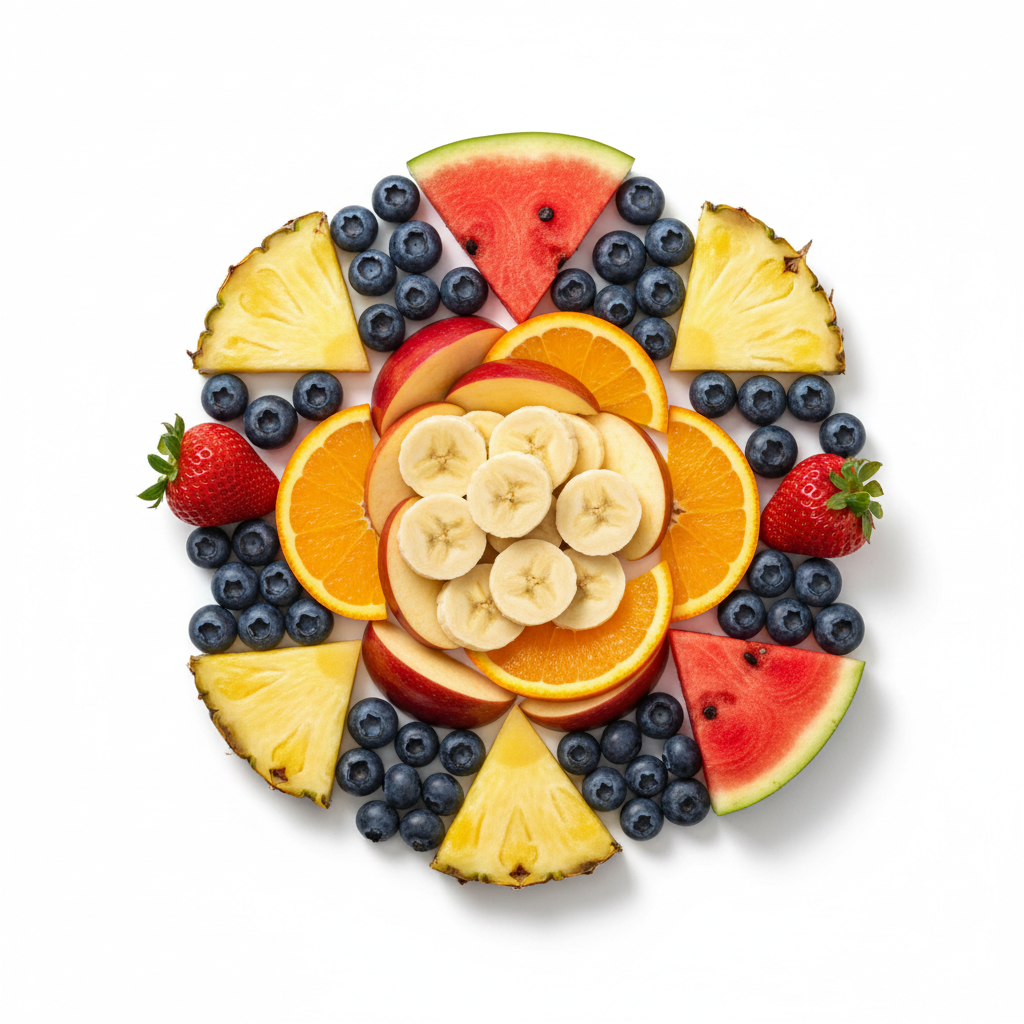
- Watermelon, cantaloupe, and strawberry fruit salad
- Greek yogurt topped with peach slices and a sprinkle of nuts
Hydration for Special Populations
For Active Individuals
If you exercise regularly, your hydration needs increase. Consuming water-rich foods before and after workouts can help maintain proper fluid balance. Watermelon, oranges, and cucumber are excellent choices for post-workout recovery.
For Children
Getting kids to drink enough water can be challenging. Offering water-rich fruits and vegetables as snacks can significantly contribute to their daily fluid needs. Try cucumber “coins,” watermelon “pizza” (topped with yogurt and other fruits), or freezing grapes for refreshing treats.
For Older Adults
As we age, our thirst sensation often diminishes, increasing dehydration risk. Encouraging regular consumption of hydrating foods throughout the day can help older adults maintain proper fluid levels even when they don’t feel thirsty.
Common Questions About Hydrating Foods
Can hydrating foods replace drinking water?
No, hydrating foods complement but don’t replace water intake. While they contribute significantly to your daily fluid needs (about 20%), the majority should still come from beverages, primarily water.
Which is better for hydration: fruits or vegetables?
Both are excellent sources of water. Vegetables like cucumber and lettuce typically have slightly higher water content (95-96%) than most fruits (88-92%), but fruits often provide additional antioxidants and vitamins. Including a variety of both ensures balanced nutrition and hydration.
Are frozen fruits and vegetables still hydrating?
Yes! Frozen produce retains most of its water content and nutrients. When thawed, they can be just as hydrating as fresh options. This makes them convenient for smoothies and cooked dishes year-round.
How can I tell if I’m properly hydrated?
Check your urine color; pale yellow indicates good hydration, while dark yellow suggests you need more fluids. Other signs of proper hydration include regular bathroom visits, moist skin, and sustained energy levels.
Do juiced fruits and vegetables provide the same hydration benefits?
Juicing removes fiber but retains most water and nutrients. While juices can contribute to hydration, whole fruits and vegetables are preferable as they provide fiber that helps water absorption and provides greater satiety.
Putting It All Together: Your Hydration Action Plan
Creating a habit of consuming hydrating foods doesn’t happen overnight. Here’s a simple three-step approach to gradually increase your intake:
- Week 1: Add one extra serving of water-rich fruits or vegetables to each meal
- Week 2: Replace one snack daily with a hydrating food option
- Week 3: Begin each meal with a hydrating food (like cucumber slices or a small salad)
Remember that consistency matters more than perfection. Even small increases in your consumption of water-rich foods can make a significant difference in your overall hydration status and health.
Conclusion: Embrace the Power of Hydrating Foods
Proper hydration is fundamental to virtually every bodily function, from digestion to cognitive performance. By intentionally incorporating water-rich foods into your daily eating patterns, you’re supporting optimal health in a delicious, nutritious way.
The next time you reach for a snack or plan a meal, consider how you might include some of these hydrating superstars. Your body will thank you with improved energy, better digestion, clearer thinking, and that healthy glow that comes from true hydration from the inside out.
What’s your favorite hydrating food? Have you noticed differences in how you feel when properly hydrated? Share your experiences in the comments below!
![Footer image showing a person drinking water with hydrating foods on the table]
Disclaimer: While proper hydration is essential for health, individual needs vary. If you have specific health concerns or conditions, please consult with your healthcare provider for personalized guidance.