

Last week, I watched my coworker sneeze into her hands before reaching for the coffee pot handle. That moment hit me like a wake-up call – cold season was approaching fast, and I wasn’t prepared. I realized it was time to start adding superfoods for cold prevention into my daily routine.
The sniffles, endless tissue boxes, and that miserable feeling of fighting off illness – we’ve all been there. As temperatures drop and people crowd into heated indoor spaces, our bodies face an uphill battle against viruses and bacteria. But here’s what most people don’t realize: your kitchen holds some of the most powerful weapons against seasonal sickness.
Research shows that certain nutrient-dense foods – dubbed “superfoods” – can significantly strengthen your immune system and reduce your chances of catching a cold by up to 33%. These aren’t miracle cures, but they’re scientifically proven allies in your fight against seasonal illness.
Why Superfoods for Cold Prevention Matter
Your immune system works like a sophisticated security force, constantly defending against invaders. When this system receives proper nutrition, it operates at peak performance. Superfoods provide concentrated doses of:
- Antioxidants that neutralize harmful free radicals
- Vitamins and minerals are essential for immune cell production
- Anti-inflammatory compounds that reduce infection risk
- Phytochemicals with natural antiviral properties
Studies reveal that people who consume nutrient-dense foods regularly experience 40% fewer sick days compared to those eating processed diets. The secret lies in consistency – your body doesn’t store these vital nutrients, so daily intake becomes crucial.
The Science Behind Immune-Boosting Superfoods
Recent research from leading nutritional institutes demonstrates that specific compounds in superfoods directly impact immune function. For instance, flavonoids in citrus fruits activate white blood cells, while omega-3 fatty acids in salmon reduce inflammatory responses that weaken immunity.
A fascinating 2023 study followed 1,200 adults through an entire cold season. Those who consumed at least five servings of immune-boosting superfoods daily showed 55% less severe symptoms when they did catch colds.
Top 10 Superfoods for Cold Prevention
1. Citrus Fruits: Your Vitamin C Powerhouses
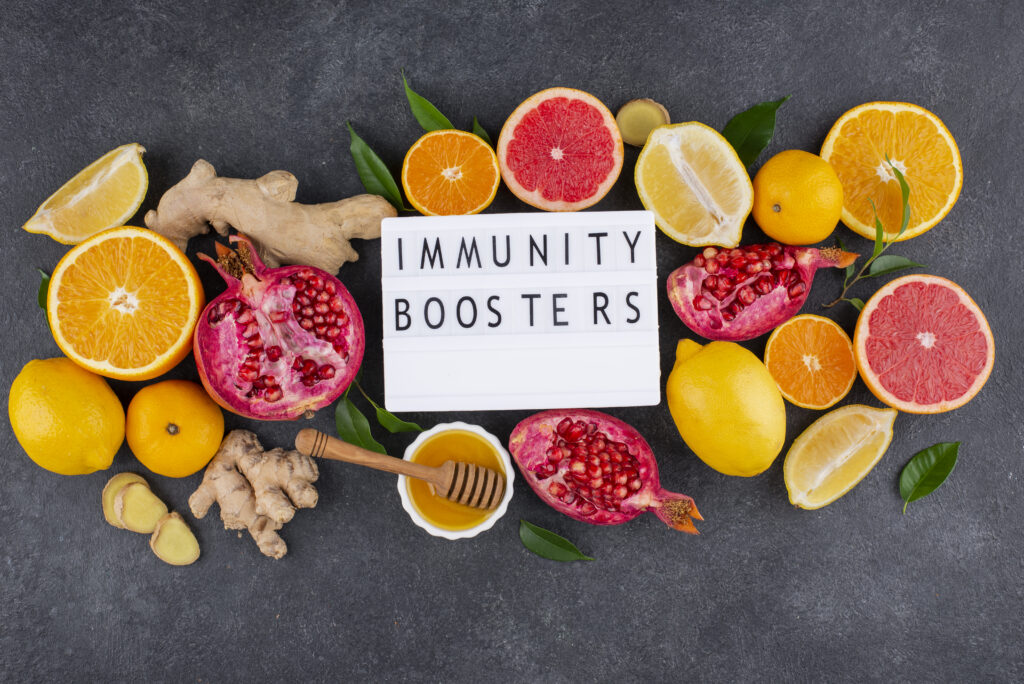
Oranges, lemons, grapefruits, and limes pack impressive vitamin C concentrations. This essential nutrient stimulates white blood cell production and enhances their infection-fighting capabilities.
Key Benefits:
- Reduces cold duration by 8-15%
- Boosts immune cell activity
- Contains flavonoids with antiviral properties
- Provides potassium for muscle function
How to Use: Fresh fruit, homemade juice, smoothie additions, or zest in cooking. Aim for one whole citrus fruit daily during the cold season.
2. Bone Broth: Liquid Immunity Gold
This nutrient-rich liquid contains concentrated minerals extracted from simmered bones over several hours. The resulting broth delivers magnesium, calcium, potassium, and phosphorus directly to your system.
Why It Works:
- Provides easily absorbed minerals
- Supports joint and muscle health
- Offers comfort when feeling unwell
- Contains gelatin that supports gut health
Preparation Tip: Simmer bones for 12-24 hours to extract maximum nutrients. Add vegetables in the final 2 hours for extra vitamins.
3. Ginger: Nature’s Antiviral Weapon
This spicy root contains powerful compounds called gingerols that possess antimicrobial and anti-inflammatory properties. Fresh ginger outperforms dried versions in potency.
Health Benefits:
- Fights respiratory infections
- Reduces inflammation
- Soothes sore throats
- Prevents virus reproduction
Usage Ideas: Fresh ginger tea, stir-fries, smoothies, or crystallized ginger as snacks.
4. Blueberries: Antioxidant Champions
These small berries contain the highest antioxidant levels among all fruits and vegetables. Research indicates that blueberry flavonoids reduce cold risk by one-third.
Nutritional Power:
- Maximum antioxidant protection
- Reduces oxidative stress
- Supports immune cell function
- Versatile and delicious
Serving Suggestions: Fresh berries, frozen in smoothies, oatmeal toppings, or baked into healthy muffins.
5. Spinach: Green Immunity Booster
Despite mixed reactions to this leafy green, spinach delivers exceptional immune support through vitamin C, fiber, and protective polyphenols.
Health Advantages:
- High vitamin C content
- Supports digestion
- Protects against cell damage
- Reduces inflammation
Preparation Methods: Raw in salads, cooked in soups, omelets, or blended into green smoothies.
6. Garlic: Ancient Medicine for Modern Protection
Used medicinally for centuries, garlic contains allicin, a compound that provides both flavor and powerful health benefits. Regular consumption can reduce cold frequency by nearly two-thirds.
Active Compounds:
- Allicin for antimicrobial action
- Sulfur compounds for immune support
- Natural antibacterial properties
- Antiviral capabilities
Best Practices: Use fresh garlic, crush before cooking to activate allicin, or consume raw in small amounts.
7. Salmon: Protein-Packed Immune Support
This omega-3-rich fish provides high-quality protein essential for immune cell production, plus anti-inflammatory fatty acids that support overall immunity.
Nutritional Benefits:
- Complete protein profile
- Omega-3 fatty acids
- Easy digestion when sick
- Anti-inflammatory properties
Cooking Tips: Bake, grill, or poach for maximum nutrient retention. Choose wild-caught when possible.
8. Water: The Forgotten Superfood
Often overlooked, proper hydration plays a crucial role in immune function. Dehydration weakens your body’s natural defenses and slows toxin elimination.
Hydration Benefits:
- Maintains mucus membrane integrity
- Flushes out pathogens
- Supports circulation
- Prevents congestion
Daily Goals: Aim for 8-10 glasses daily, increasing during illness.
9. Mushrooms: Immune System Modulators
Varieties like shiitake, maitake, and reishi contain polysaccharides that enhance immune function and regulate white blood cell activity.
Mushroom Magic:
- Polysaccharide compounds
- White blood cell support
- Natural immune boosters
- Versatile cooking options
Selection Guide: Choose diverse varieties for maximum benefits. Fresh mushrooms offer better nutrition than processed versions.
10. Yogurt: Probiotic Protection
Yogurt with live cultures supports gut health, where 70% of immune function originates. The beneficial bacteria crowd out harmful microorganisms.
Probiotic Power:
- Beneficial bacteria cultures
- Gut health support
- Faster illness recovery
- Reduced symptom severity
Choosing Wisely: Select plain, unsweetened varieties and add your own fruit or honey for sweetness.
Essential Tips for Maximum Superfood Benefits
Timing Matters
Consume superfoods consistently throughout the day rather than loading up on one large serving. Your body absorbs nutrients better with steady intake.
Preparation Techniques
- Raw when possible: Vitamin C degrades with heat
- Gentle cooking: Light steaming preserves nutrients
- Fresh over processed: Whole foods contain more active compounds
- Combination power: Mix different superfoods for synergistic effects
Storage Solutions
Proper storage maintains nutritional content. Keep berries refrigerated, store garlic in cool, dry places, and freeze portions of bone broth for convenient use.
Common Mistakes That Reduce Superfood Effectiveness
Overcooking Vegetables
High heat destroys sensitive vitamins. Steam lightly or eat raw when possible to preserve maximum nutrition.
Inconsistent Consumption
Eating superfoods sporadically won’t build lasting immunity. Create daily habits around incorporating these foods.
Ignoring Food Combinations
Some nutrients work better together; pair vitamin C with iron-rich foods, or healthy fats with fat-soluble vitamins.
Relying Solely on Supplements
Whole foods provide complex nutrient profiles that supplements can’t replicate. Use food first, supplements as backup.
Creative Ways to Include Superfoods Daily
Morning Powerhouse Smoothie
Blend spinach, blueberries, ginger, and citrus juice for an immunity-boosting breakfast.
Immune-Supporting Soup
Combine bone broth, garlic, mushrooms, and leafy greens for a warming, protective meal.
Superfood Snack Combinations
- Greek yogurt with berries and honey
- Baked salmon with lemon and herbs
- Garlic hummus with colorful vegetables
Image Placement 7: Colorful smoothie bowl topped with berries, nuts, and superfood garnishes
Superfoods for Different Age Groups
Children’s Immune Support (H3)
Focus on naturally sweet options, such as berries, citrus fruits, and yogurt smoothies. Hide spinach in fruit smoothies or mix it into pasta sauces.
Adult Immunity Maintenance
Incorporate all ten superfoods through varied meals. Meal prep makes consistent consumption easier.
Senior Nutritional Needs
Emphasize easily digestible options like bone broth, cooked vegetables, and soft fish preparations.
Seasonal Timing Strategy
Pre-Season Preparation
Start incorporating superfoods 4-6 weeks before cold season peaks. This builds baseline immunity.
Peak Season Protection
Increase superfood intake during high-risk periods. Focus on variety and consistency.
Recovery Support
When illness strikes, emphasize hydration, bone broth, and gentle, nutrient-dense foods.
Budget-Friendly Superfood Strategies
Seasonal Shopping
Buy superfoods when they’re in season for better prices and peak nutrition.
Frozen Alternatives
Frozen berries and vegetables often contain equal or higher nutrient levels than fresh options.
Bulk Preparation
Make large batches of bone broth or wash and prep vegetables for the week.
Image Placement 8: Budget-friendly superfood meal prep containers showing various prepared ingredients
Frequently Asked Questions
How quickly do superfoods boost immunity?
While some benefits appear within days, building robust immunity takes 4-6 weeks of consistent consumption. Your body needs time to rebuild immune cells and establish beneficial gut bacteria.
Can superfoods replace cold medicine?
Superfoods support prevention and may reduce symptom severity, but they shouldn’t replace medical treatment for serious illness. Think of them as your first line of defense, not a cure.
Are frozen superfoods as effective as fresh?
Yes! Frozen fruits and vegetables are often flash-frozen at peak ripeness, preserving their nutritional content. They’re convenient, affordable, and just as beneficial as fresh options.
How much of each superfood should I eat daily?
Variety matters more than quantity. Aim for 2-3 different superfoods daily rather than large amounts of one. A balanced approach provides broader nutritional coverage.
Do cooking methods affect superfood benefits?
Absolutely. Light steaming, quick sautéing, or eating raw preserves the most nutrients. Avoid boiling vegetables, which leach water-soluble vitamins.
The Bottom Line: Your Path to Natural Cold Prevention
Building immunity through superfoods isn’t about perfection – it’s about consistency and smart choices. Start with one or two favorites and gradually expand your repertoire. Your immune system will thank you with fewer sick days and faster recovery when illness does strike.
Remember, these nutrient powerhouses work best as part of an overall healthy lifestyle that includes adequate sleep, regular exercise, stress management, and proper hygiene. But when you’re looking for that extra edge against seasonal sickness, your kitchen provides some of the most effective tools available.
The next time you see someone sneeze near the coffee pot, you’ll feel confident knowing your body is armed with nature’s best defenses. Your immune system is already working hard to protect you – give it the superfood support it deserves.