

If you’ve ever tried to eat healthier or lose weight, you know the struggle: you start the day with good intentions, but by mid-afternoon, the cravings hit.
The secret to avoiding constant hunger isn’t eating less—it’s eating smarter.
That’s where protein, fiber, and healthy fats come in. These three nutrients are your body’s natural appetite regulators, keeping you fuller for longer while fueling you with steady energy.
In this guide, we’ll explore how they work, the science behind them, and how to add them to your meals for maximum hunger control.
Why Appetite Control and Hunger Management Are Essential
When you’re constantly hungry, sticking to a healthy eating plan feels impossible. Frequent snacking, sugar cravings, and overeating can derail even the most disciplined diet.
But when your meals are balanced with protein, fiber, and healthy fats, you:
-
Stay fuller for longer
-
Stabilize blood sugar levels
-
Avoid energy crashes
-
Curb cravings naturally
Protein: The Appetite-Control Food That Keeps You Full
How Protein Promotes Appetite Control
Protein is more filling than carbohydrates or fat. When you eat protein-rich foods, they trigger the release of satiety hormones like peptide YY and GLP-1, which signal to your brain that you’re full.
It also helps preserve lean muscle mass, which boosts your metabolism.
Top Protein Foods for Hunger Management
-
Lean meats (chicken, turkey, lean beef)
-
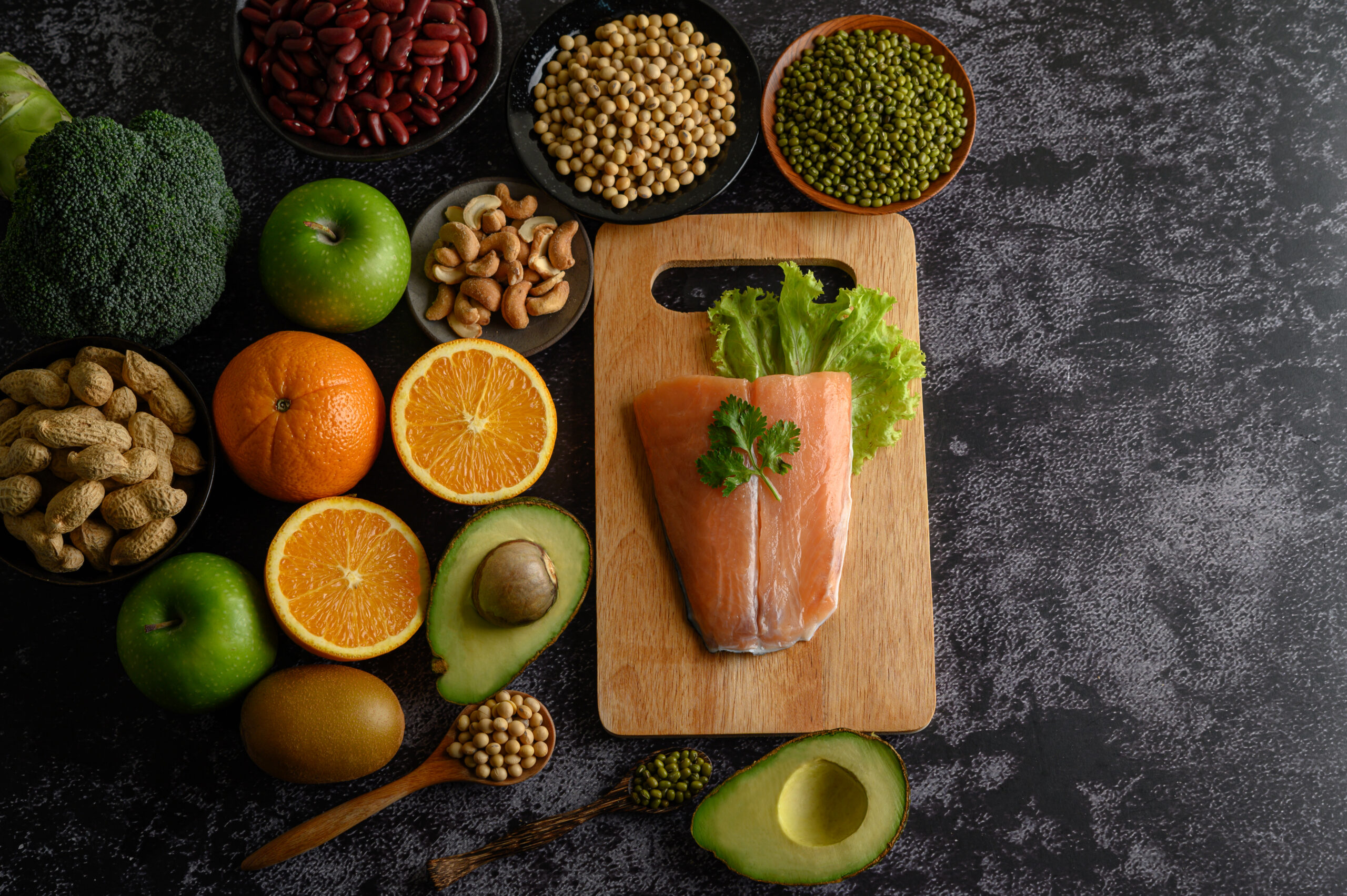
Fish and seafood (salmon, tuna, shrimp)
-
Eggs and egg whites
-
Greek yogurt and cottage cheese
-
Plant-based options (tofu, tempeh, lentils, beans, edamame)
Easy Ways to Include Protein for Better Satiety
-
Add chicken or tofu to your salads.
-
Snack on Greek yogurt with berries.
2. Fiber: The Appetite-Control Nutrient for Lasting Fullness
How Fiber Helps Manage Hunger
Fiber slows digestion and adds bulk to your meals without adding extra calories. Soluble fiber, in particular, forms a gel-like substance in your stomach, which slows down the absorption of sugar into your bloodstream. This prevents energy crashes that trigger cravings.
Top Fiber-Rich Foods to Reduce Cravings
-
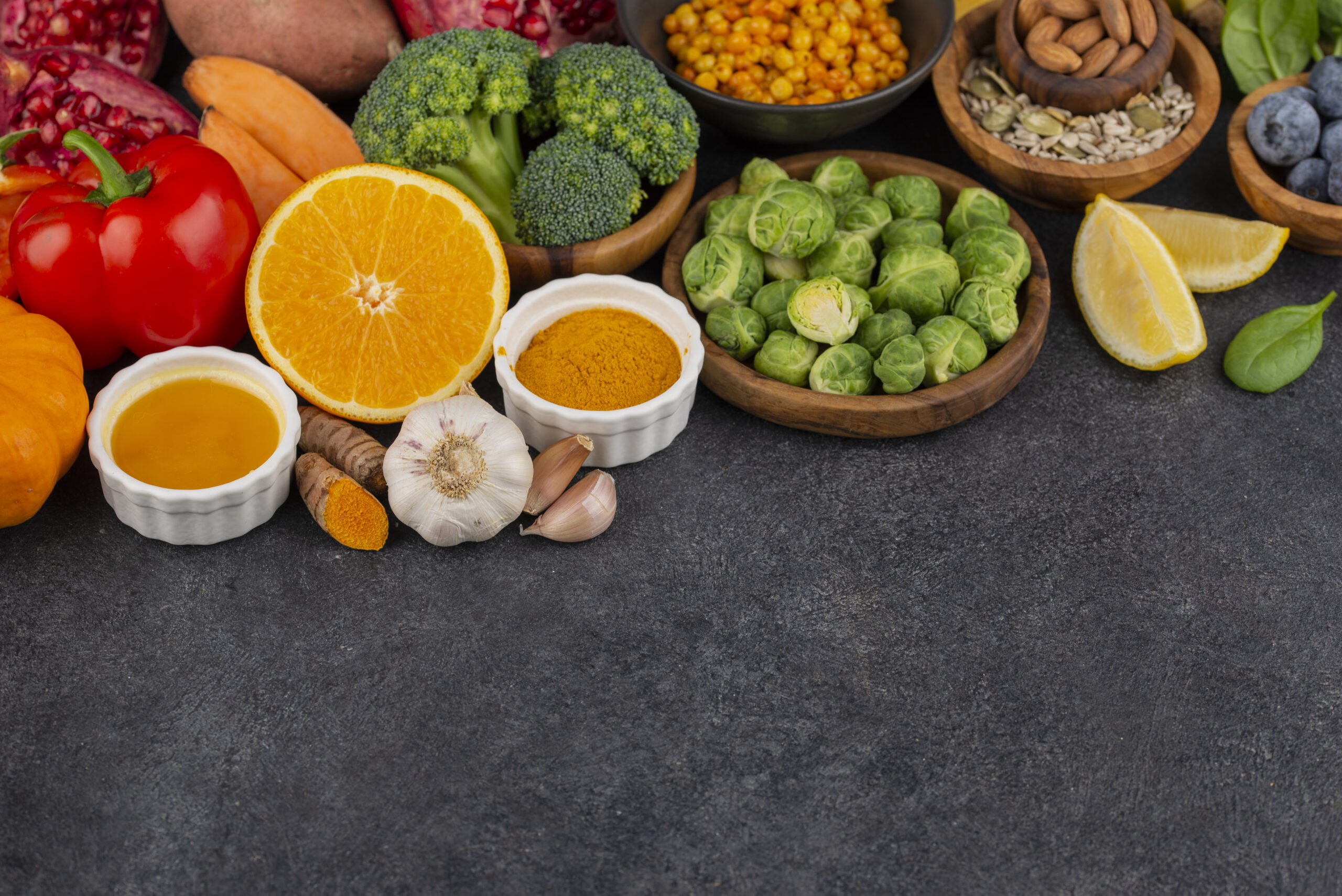
Vegetables (broccoli, carrots, spinach, kale)
-
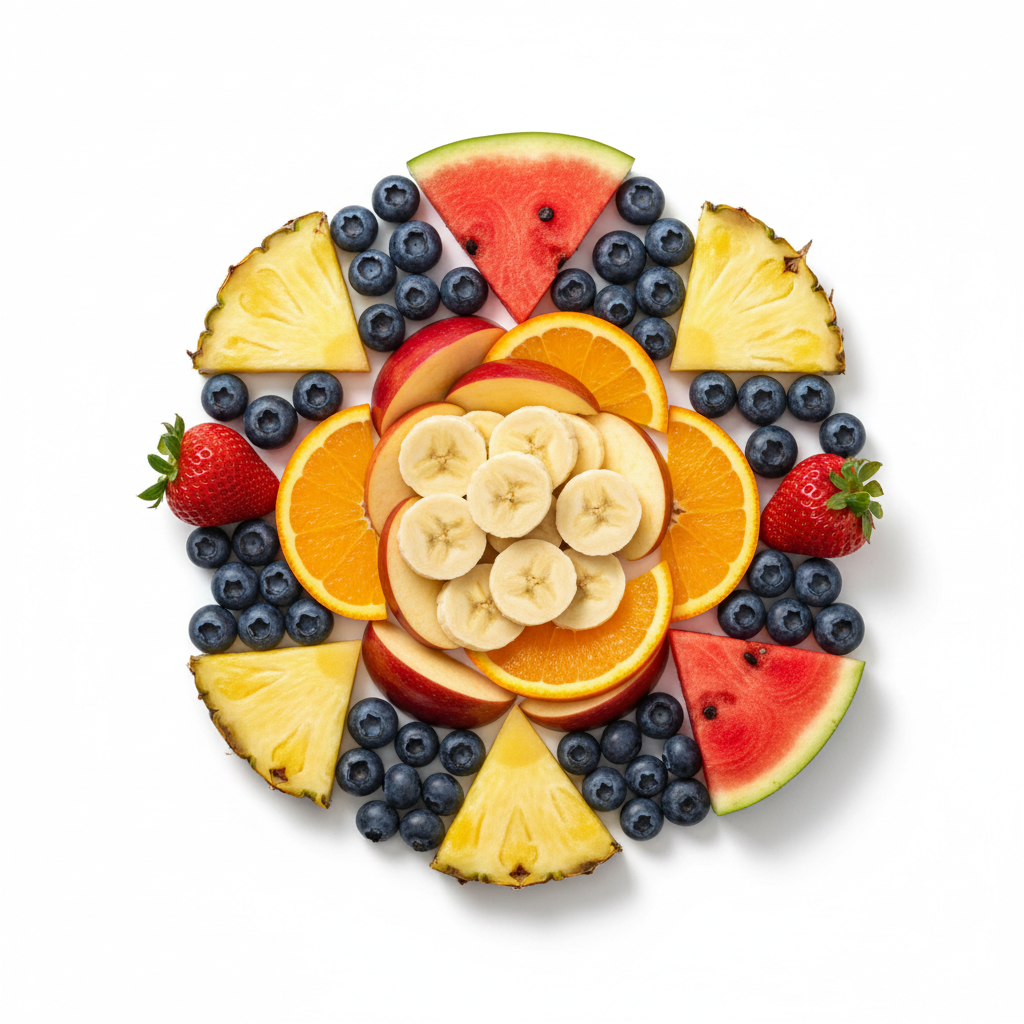
Fruits (apples, berries, pears, oranges)
-
Whole grains (oats, quinoa, brown rice, whole wheat bread)
-
Legumes (lentils, black beans, chickpeas)
Simple Ways to Add Fiber for Satiety
-
Start your day with oatmeal topped with berries and chia seeds.
-
Swap white bread for whole-grain bread.
-
Add beans or lentils to soups and stews.
Healthy Fats: Appetite-Control Fats That Keep You Satisfied
How Healthy Fats Aid Hunger Management
Healthy fats are digested slowly, providing long-lasting satiety. They also help regulate appetite hormones like ghrelin (the hunger hormone) and aid in the absorption of fat-soluble vitamins (A, D, E, K).
Best Healthy Fats for Lasting Fullness
-
Avocados
-
Nuts (almonds, walnuts, pistachios)
-
Seeds (chia, flax, sunflower)
-
Olive oil and coconut oil
-
Fatty fish (salmon, sardines, mackerel)
Best Healthy Fats for Lasting FullnessBest Healthy Fats for Lasting Fullness
Easy Ways to Include Healthy Fats for Satiety
Drizzle olive oil over roasted vegetables.
-
Add avocado slices to sandwiches and salads.
-
Snack on a handful of mixed nuts.
The Science of Appetite Control: Protein, Fiber, and Healthy Fats
Eating protein, fiber, and healthy fats together creates the ultimate hunger-fighting meal:
-
Protein keeps you satisfied and boosts metabolism.
-
Fiber slows digestion and stabilizes blood sugar.
-
Healthy fats delay gastric emptying, keeping you full for hours.
This trio also prevents the blood sugar spikes and crashes that trigger cravings for sugary or high-carb snacks.
Sample Day of Appetite-Suppressing Meals
Breakfast:
Spinach omelet cooked in olive oil, topped with avocado slices, served with whole-grain toast.
Lunch:
Grilled salmon salad with mixed greens, cherry tomatoes, quinoa, and a walnut-olive oil dressing.
Snack:
Apple slices with almond butter.
Dinner:
Lentil and vegetable stew with a side of roasted Brussels sprouts drizzled with olive oil.
Extra Tips for Natural Appetite Control and Hunger Management
-
Stay Hydrated – Sometimes thirst is mistaken for hunger.
-
Eat Mindfully – Chew slowly and enjoy each bite.
-
Avoid Ultra-Processed Foods – They digest too quickly, leaving you hungry again.
-
Include All Three Nutrients in Every Meal – This is key to long-term satiety.
-
Don’t Skip Meals – Skipping can lead to overeating later.
Final Thoughts
When it comes to controlling appetite and avoiding unnecessary snacking, it’s not about strict diets—it’s about smart nutrition.
By building your meals around protein, fiber, and healthy fats, you’ll feel satisfied, have steady energy, and find it much easier to stick to your health goals.
So, next time you’re planning a meal, remember: fill your plate with foods that fuel, not just fill. Your body—and your cravings—will thank you.